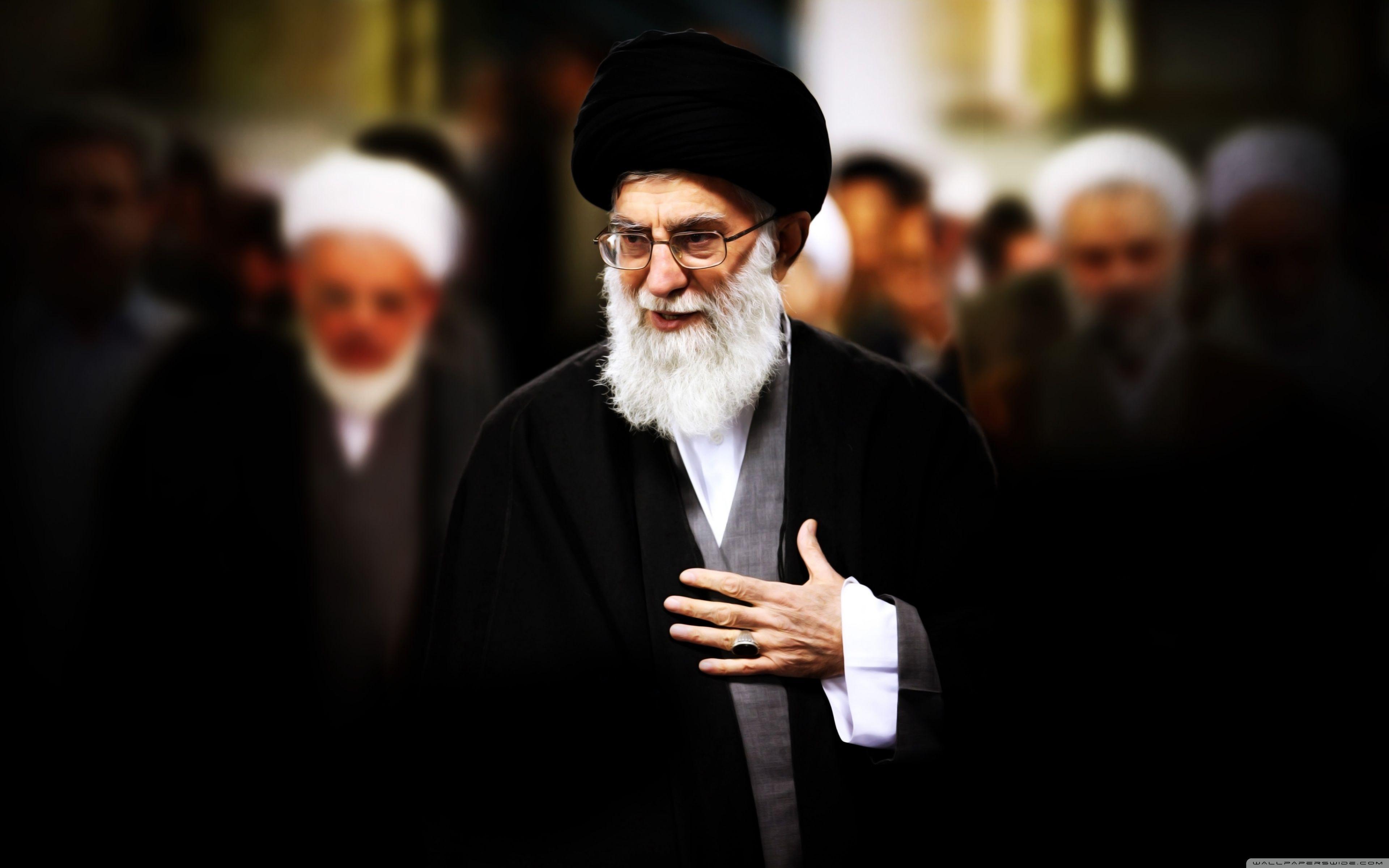
Ali Khamenei: The Life and Legacy of Iran's Supreme Leader
Ali Khamenei (1939–2026) was one of the most influential figures in modern Middle Eastern history, serving as the second Supreme Leader of Iran for over three decades. From his humble beginnings to his role as the ultimate authority in the Islamic Republic, Khamenei’s life was defined by revolution, war, and an unwavering commitment to his ideological vision.
Early Life and Religious Education
Born on April 19, 1939, in the holy city of Mashhad, Ali Khamenei was raised in a modest religious household. He followed the path of his father, a respected cleric, and began his theological studies at a young age. His journey eventually led him to the prestigious seminaries of Qom, where he became a dedicated student of Ayatollah Ruhollah Khomeini, the future founder of the Islamic Republic.The Revolutionary Path
During the 1960s and 70s, Khamenei became a prominent activist against the secular monarchy of Shah Mohammad Reza Pahlavi. His defiance led to multiple arrests and years of exile by the Shah’s secret police, SAVAK. When the 1979 Iranian Revolution finally toppled the monarchy, Khamenei emerged as a key architect of the new government, serving in various high-level roles, including President of Iran from 1981 to 1989.Ascension to Supreme Leader
Following the death of Ayatollah Khomeini in 1989, Ali Khamenei was chosen by the Assembly of Experts to become the Supreme Leader. As the head of state, he held absolute authority over Iran’s military, judiciary, and foreign policy. His tenure was marked by:- The “Resistance Economy”: A policy aimed at making Iran self-reliant in the face of international sanctions.
- Regional Influence: Strengthening the Islamic Revolutionary Guard Corps (IRGC) and expanding Iran’s reach across the Middle East.
- Nuclear Ambitions: Championing Iran’s right to nuclear technology, which led to significant diplomatic tension with Western powers
Legacy and Impact
Khamenei’s leadership was characterized by a "pragmatic hardliner" approach. He steered Iran through the aftermath of the Iran-Iraq War and maintained the country’s revolutionary identity despite internal protests and external pressure. To his supporters, he was a symbol of national sovereignty; to his critics, he represented an uncompromising system.His death in 2026 marked the end of an era, leaving behind a nation deeply shaped by his decades of governance and his vision of an Islamic state resistant to Western influence.