
The Science of Sound: Is Bone Conduction Audio Right for You?
Beyond the Eardrum: The Science and Synergy of Bone Conduction Technology
For decades, our relationship with personal audio has been “plugged in”—quite literally. From bulky over-ear cans to tiny silicone tips wedged into our canals, we’ve relied on air conduction to deliver sound. However, a different breed of technology is currently reshaping (and bypassing) the traditional listening experience.
By utilizing the body’s natural ability to transmit sound through the skeletal structure, open-ear audio is moving from a niche medical aid to a mainstream fitness and lifestyle essential.
How It Works: The Mechanics of Mechanical Vibration
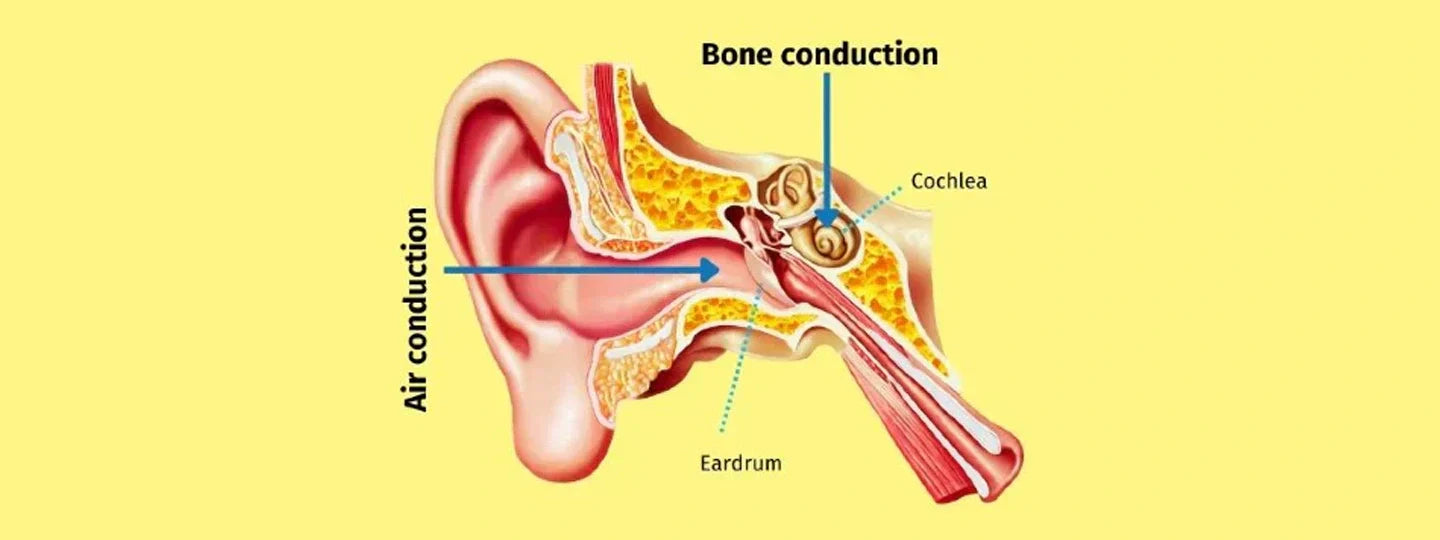
To understand this tech, we first have to look at how we typically hear. Standard headphones use speakers to create longitudinal waves in the air. These waves vibrate your eardrum (tympanic membrane), which then triggers the delicate bones of the middle ear to send signals to the cochlea.
Bone conduction takes a shortcut. Instead of vibrating the air, these devices use electromechanical transducers that sit against your cheekbones or temporal bones.
- Vibration: The device converts audio signals into mechanical vibrations.
- Conduction: These vibrations travel through the bones of the skull.
- Reception: The vibrations bypass the eardrum entirely and land directly at the cochlea, which interprets the “tremors” as sound.
Essentially, you are hearing through your “inner ear,” leaving your outer ear completely unobstructed.
The "Open-Ear" Advantage: Why It Matters
The primary driver behind the surge in this technology isn’t just “cool factor”—it’s situational awareness.
- Road Safety: For runners and cyclists, traditional noise-canceling buds can be a liability. Being able to hear a car engine or a cyclist’s bell while still enjoying a podcast is a game-changer for outdoor safety.
- Aural Health: Constant pressure from in-ear tips can cause earwax buildup, irritation, and even infections like “swimmer’s ear.” Because these devices sit externally, the ear canal remains dry and ventilated.
- Conductive Hearing Loss Support: Since the technology bypasses the outer and middle ear, individuals with eardrum damage can often hear audio clearly through bone-transmitted vibrations.

The Trade-Off: Audio Fidelity vs. Utility
While the technology has come a long way by 2026, it is important to manage expectations regarding sound profile.
The Bass Gap: Because air is a more efficient medium for low-frequency sound than bone, you won’t get the “thumping” sub-bass found in high-end over-ear monitors.
Furthermore, because the transducers are vibrating against your skin, high volumes can occasionally cause a “tickling” sensation. However, for mid-range heavy content—like podcasts, audiobooks, and vocal-centric music—the clarity is surprisingly crisp.
Finding the Right Fit: What to Look For
If you’re looking to step away from traditional earbuds, keep these technical specs in mind:- IP Ratings: If you’re a heavy sweater or a swimmer, look for at least an IP68 rating. Some models even include internal MP3 storage, as Bluetooth signals don’t travel well through water.
- Leakage Control: Look for modern “leakage-slaying” designs that use phase-canceling sound to ensure the person sitting next to you on the bus doesn’t hear your private playlist.
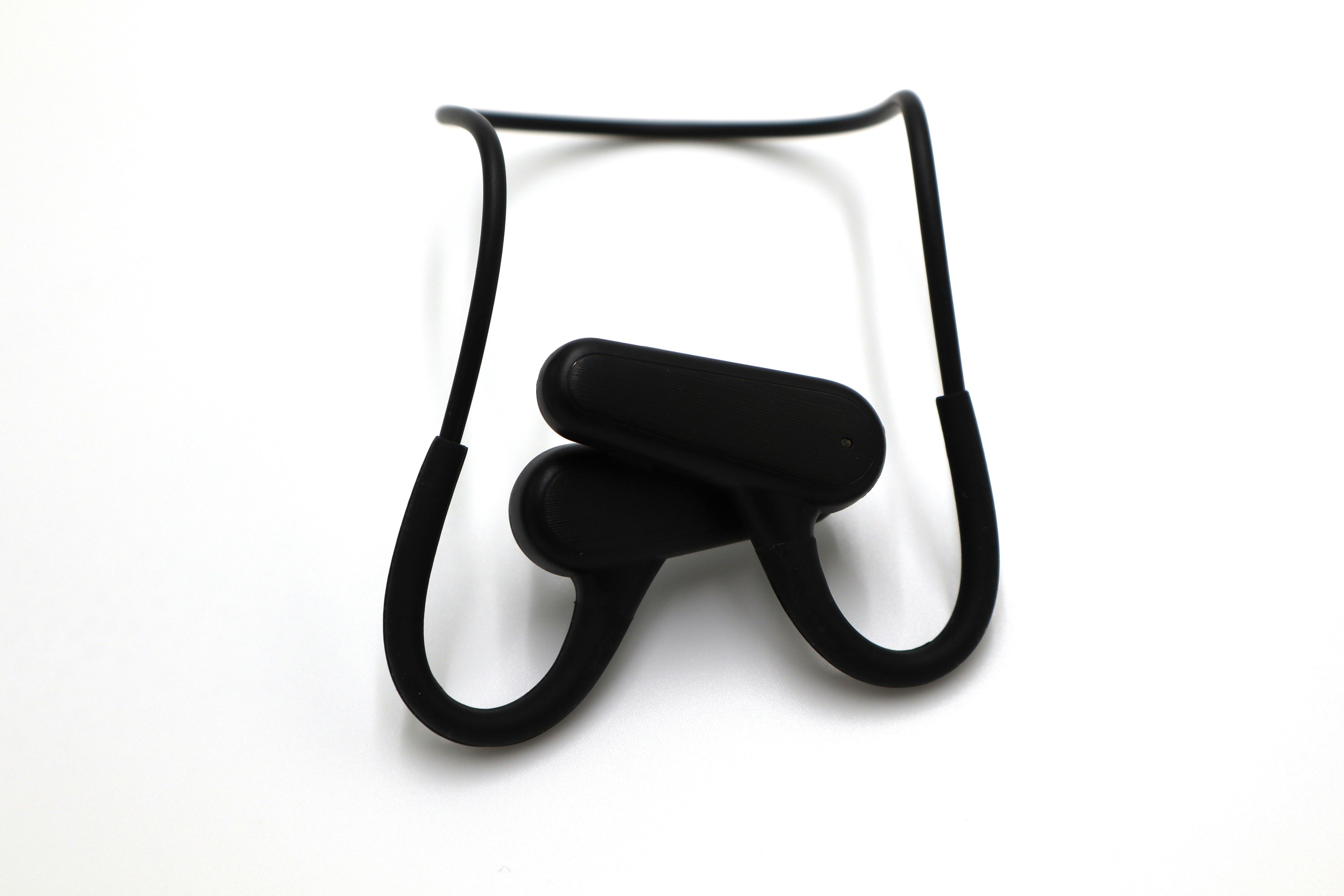
- Frame Tension: The “headband” should be made of a flexible material like titanium to ensure the transducers stay pressed against your skin without causing a tension headache.

)